
Visit a coral nursery in the Keys with me
Hear a story I produced for NPR!

Twice this week, I’ve produced radio stories that involved NPR and talking about the ocean. If you missed my interview with the hosts of the network’s science podcast Short Wave, you can hear it here.
But Friday afternoon, a story I produced for NPR on a coral nursery in Key Largo aired nationwide as part of All Things Considered. I’m really proud of it.
You can hear that one here.
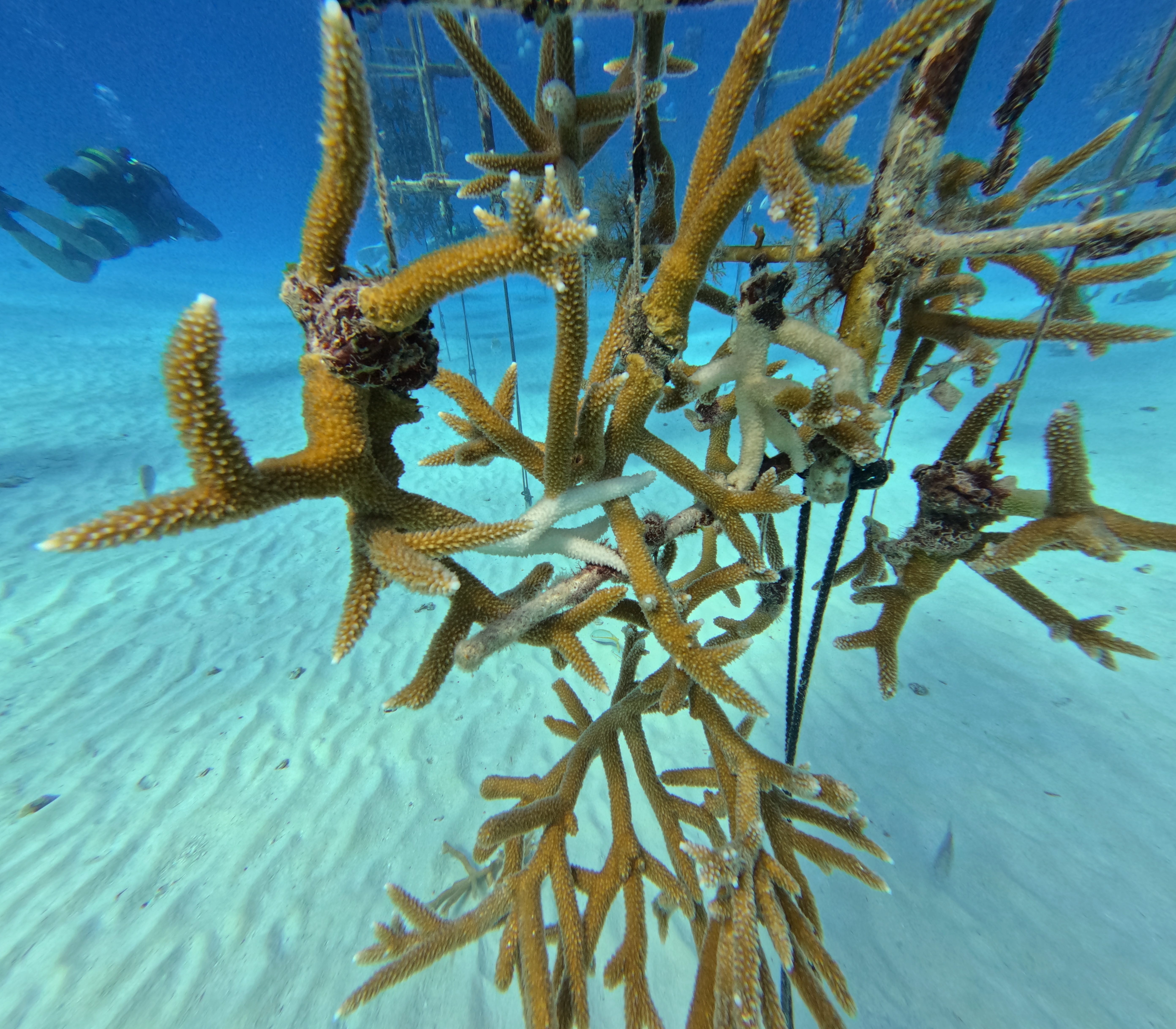
Last month, on my recent trip to Key Largo, I dived on a coral nursery run by the Coral Restoration Foundation. They bill it as the largest in-situ coral nursery in the world. It covers an acre and a half of sea bed with hundreds of coral trees growing 20 species of corals. Once they reach a certain size, they get transplanted to reefs where the scientists in charge of the project believe they will have a good chance of survival.
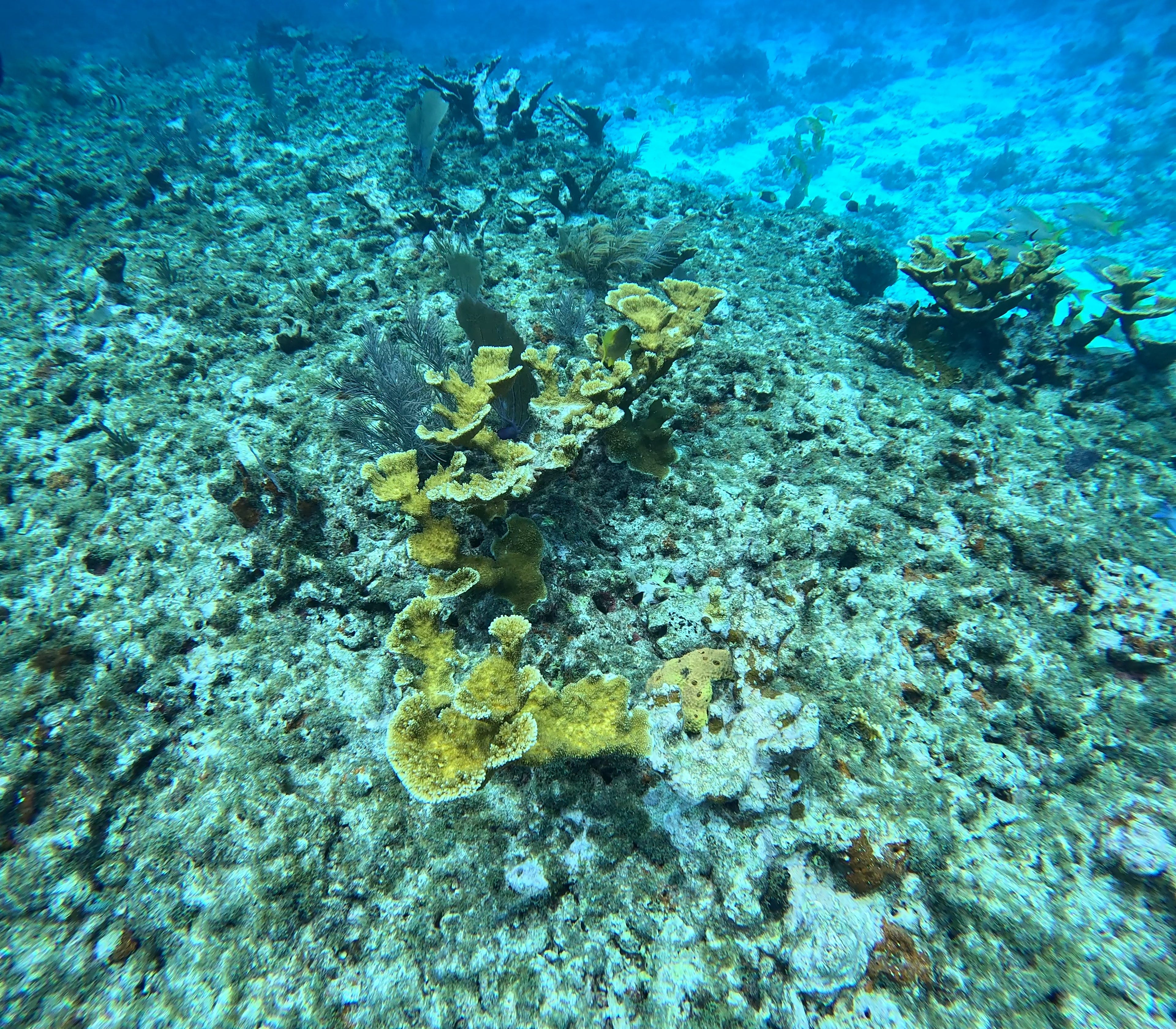
My friends at Rainbow Reef Dive Center support the foundation’s efforts and regularly run boats to the nursery for visitors to see what is going on.
I think this is important work and I applaud CRF’s efforts, along with a number of other groups doing similar work in the Caribbean and around the world. Corals worldwide have been damaged as much as 50% by increasing water temperatures, salinity and pollution. In the Keys, it is as much as 98%.
Due to the brevity of radio stories, I didn’t get to cover nearly the detail I would have liked to. Alex Brylske is quoted in the story as questioning whether coral nurseries can work. Later in my original story, he said he sees the emotional power of these projects, because it gives volunteers a chance to feel like they are doing something, and that is just as important. But he questioned the scalability. Can they do enough to counteract the damage?
More importantly, he said without changing the underlying cause of the coral crisis, he didn’t see how they would do much good. That is climate change. Ocean waters are rising to temperatures never before seen in our lifetime. There have been four major coral bleaching events in the last 25 years. The most recent, that ended last year, was devastating to corals around the world.
Even on this trip, during a non-bleaching event, the water temperatures in the Keys in mid-June were already 84 degrees. All of the dive staff I spoke with said that was unseasonably high.
One of my favorite quotes is from Archbishop Desmond Tutu. H wasn’t talking about the environment, but I think it applies.
“There comes a point where we need to stop just pulling people out of the river. We need to go upstream and find out why they’re falling in.”
At some point, we need to stop just repairing the problem and come up with a solution.
I’m keeping this Substack free for now, but if you’d like to support it anyway, buy me a cup of Kofi.
Check out my fiction at BooksbyEric.com.
I also recommend you follow me on my Facebook Author Page, Instagram and Threads.